If you smoke cigars in Dubai, your humidor is almost certainly anchored by Cuban marques. Cohiba, Montecristo, Partagás, Romeo y Julieta. These are the names that dominate the walk-in humidors at La Casa Del Habano, Vault, Above 21, and every licensed tobacconist in the Emirates. They deserve the shelf space. The question is whether they deserve all of it.
The honest answer, for anyone who has smoked seriously for more than a year or two, is no. The world of premium cigars extends well beyond Havana, and one of the most interesting chapters is being written in a place that rarely gets mentioned in Dubai cigar circles: the San Andrés Tuxtla valley in Veracruz, Mexico.
This is not a piece about which country makes the better cigar. That question is unanswerable in any useful way. This is a comparison of two traditions, two philosophies of tobacco, and two very different smoking experiences that happen to coexist in the same humidor.
The Tobacco
Cuban cigars use tobacco grown in the Vuelta Abajo region of Pinar del Río, widely considered the most famous cigar tobacco terroir on earth. The soil, the climate, and the accumulated expertise of Cuban vegueros produce a leaf with a distinctive peppery, earthy, and leathery character that has defined what "a cigar" tastes like for most of the Western world.
Mexican cigars from San Andrés Tuxtla use a different varietal grown in different soil under different conditions. The San Andrés valley sits in volcanic lowland Veracruz, where mineral-rich volcanic ash creates a growing medium high in potassium and phosphorus. The leaf that comes out of this soil is naturally darker, oilier, and sweeter than its Cuban counterpart. The flavour profile leans toward cocoa, dried fruit, vanilla, and roasted coffee rather than the pepper-and-leather signature of Vuelta Abajo.
Neither profile is objectively superior. They are different expressions of different terroirs. The relevant point for a UAE smoker building a diversified humidor is that Mexican San Andrés tobacco offers a flavour palette that Cuban tobacco does not, and vice versa.
The Production Model
This is where the comparison gets more interesting than a simple flavour-profile chart.
Cuban cigar production is centralised under Habanos S.A., the state-controlled monopoly that manages every major Cuban brand, every factory, and every export channel. The advantage of this system is consistency and global distribution. The disadvantage is that individual marques have limited room for experimentation. Blends are standardised, vitolas are catalogue-controlled, and production volumes are determined by commercial targets rather than leaf quality in any given harvest year.
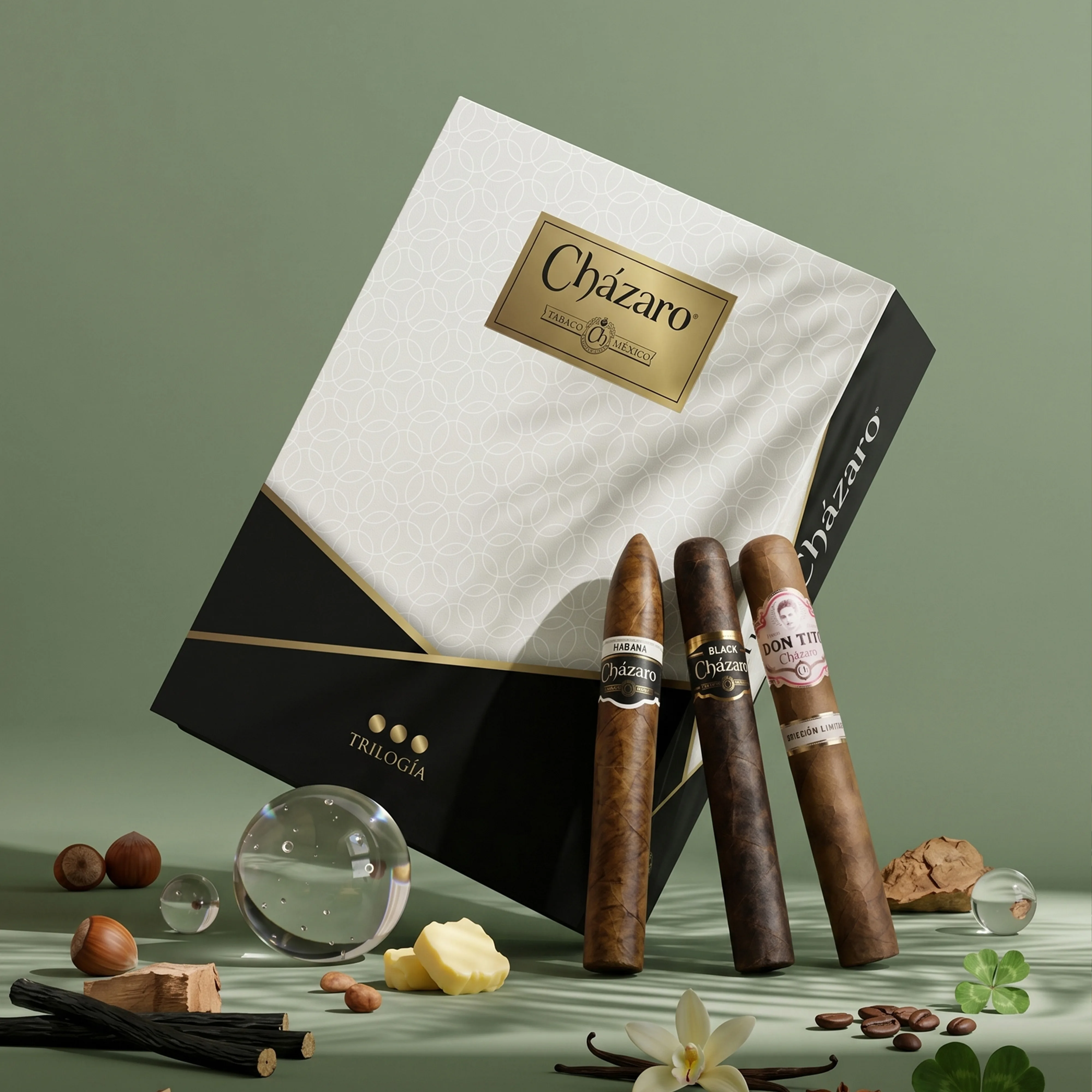
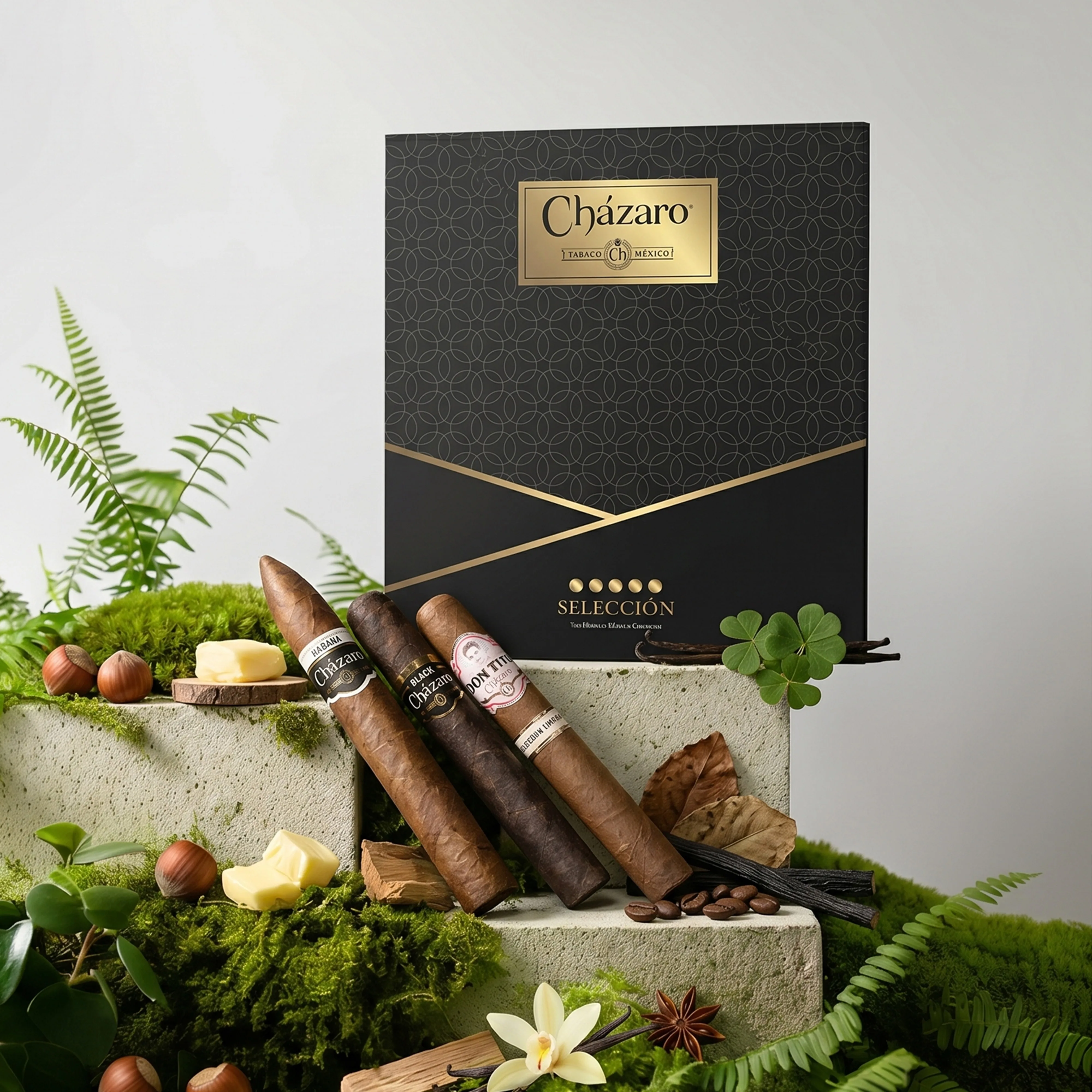
Mexican premium cigar production operates at the opposite end of the scale. There is no state monopoly, no centralised distribution, and no standardised catalogue. The houses that produce premium Mexican cigars tend to be family operations with small factories, limited annual production, and direct relationships with their tobacco growers. Cházaro, for example, produces its entire range at the Real Fábrica de Tabacos in Querétaro with a team of twelve rollers, using San Andrés Negro tobacco that has been fermented for approximately three years before it reaches the rolling floor.
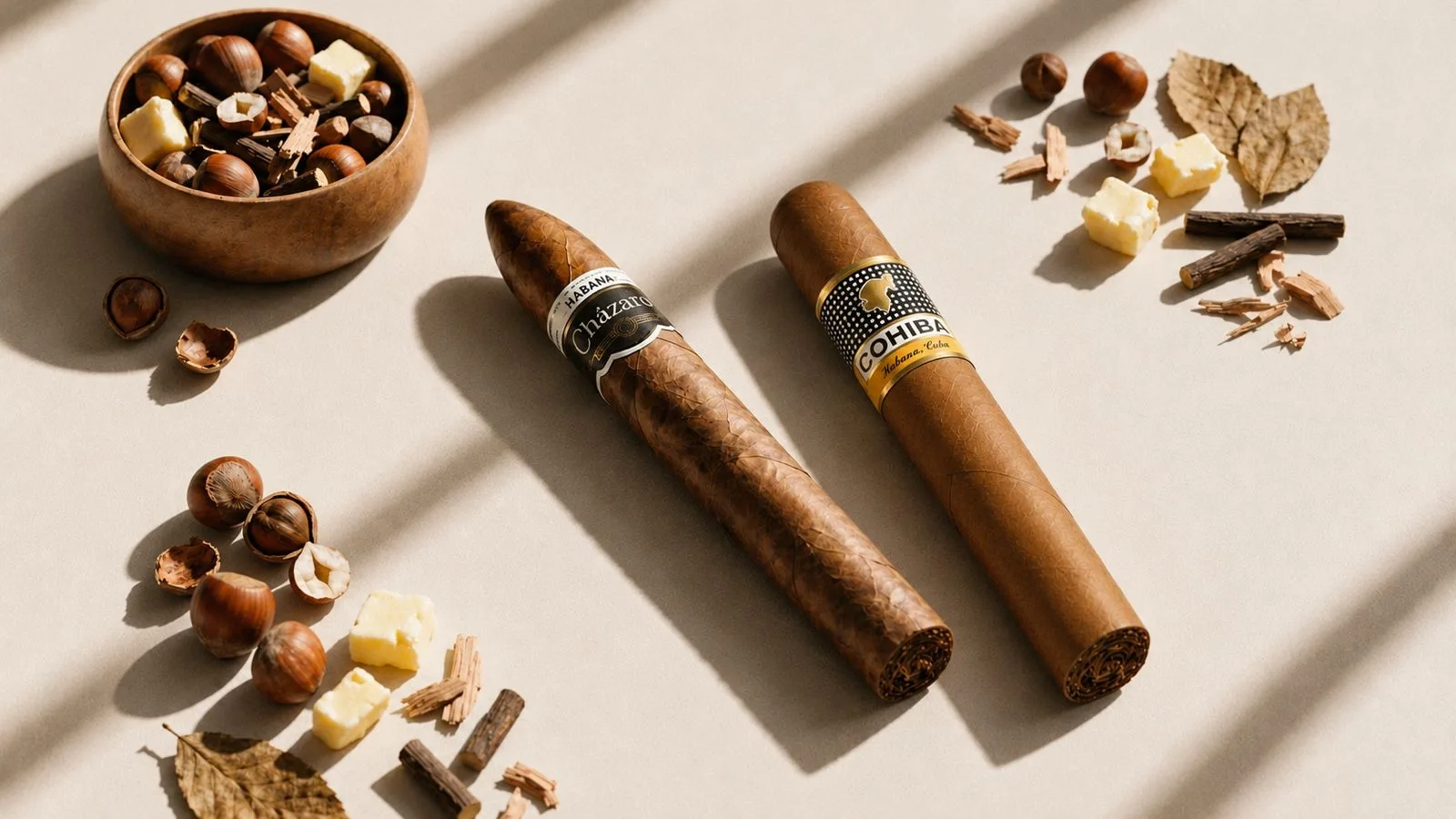
The practical difference for the smoker is one of character. A box of Cohiba Siglo IV will taste very close to every other box of Cohiba Siglo IV produced in the same year. That is by design, and it is a genuine virtue. A box of Cházaro Black will also be consistent, but the consistency comes from a different source: a single family's judgment about when a particular lot of tobacco is ready, rather than a factory system optimised for volume across hundreds of thousands of units.
Strength and Body
Cuban cigars span a wide range from the mild Hoyo de Monterrey Epicure No. 2 to the full-bodied Bolívar Royal Corona. But the centre of gravity in the Cuban portfolio is medium to medium-full, with the pepper-and-spice character that Vuelta Abajo tobacco naturally provides.
Premium Mexican cigars from San Andrés tend to sit in the mild-to-medium range, with a smoother, rounder body and less of the sharp spice that defines many Cuban smokes. The Cházaro Black, blended at 80% mild and 20% strong San Andrés tobacco, is an approachable cigar for newer smokers without being one-dimensional. The Habana, at 50/50, moves into medium territory with a creamier, nuttier profile than most Cuban cigars at the same strength level.
For a UAE smoker who has built a palate on Cubans, the shift to a Mexican puro is not dramatic. It is more like moving from Burgundy to Barolo: recognisably the same category, but a different vocabulary of flavour.
Availability in the UAE
Cuban cigars are widely available across the Emirates. La Casa Del Habano on City Walk carries the full current Habanos portfolio. Smoke World, LAAR Tobacco, Le Cigaro, and several other retailers stock the major marques with UAE-compliant customs handling.
Mexican premium cigars are harder to find through traditional retail channels in the UAE. The category is niche, and the production volumes of most Mexican boutique houses are too small to support conventional wholesale distribution. Cházaro serves the UAE market through a direct, private-access programme at cigarsbychazaro.com, with same-day delivery available in Dubai. A handful of partner lounges in the Emirates also carry the range.
The scarcity is not artificial. It is the natural consequence of a production model built around small harvests, long fermentation, and a twelve-person rolling team. When the year's allocation is placed, it is placed. There is no factory switch to produce more.
Which Should You Smoke?
Both. The question of Mexican vs Cuban is not an either/or decision for anyone with a serious interest in cigars. It is a question of range.
If your humidor currently holds nothing but Cuban marques, a box of Cházaro Black or Habana will give you something your current rotation does not: a slower-burning, sweeter, volcanic-soil puro with three years of fermentation behind it. If you already smoke across multiple origins, San Andrés Negro is a varietal that belongs in the conversation alongside Vuelta Abajo, Estelí, and the Cibao Valley.
The current Cházaro collection, including the Habana, Black, and Don Tito Edición Limitada, is available at cigarsbychazaro.com.
Frequently Asked Questions
Are Mexican cigars as good as Cuban cigars? Quality is not determined by country of origin. The best Mexican puros, made from San Andrés Negro tobacco with multi-year fermentation, stand alongside premium Cubans in construction, complexity, and smoking experience. They offer a different flavour profile, not a lesser one.
What is the main flavour difference between Mexican and Cuban cigars? Cuban cigars from Vuelta Abajo typically lean toward pepper, leather, earth, and spice. Mexican cigars from San Andrés lean toward cocoa, vanilla, dried fruit, and roasted coffee. The difference comes from the soil, the varietal, and the fermentation process.
Can I buy non-Cuban premium cigars in Dubai? Yes. While Cuban marques dominate UAE retail, boutique non-Cuban brands are available through direct-access programmes and select partner lounges. Cházaro ships Mexican premium cigars across the UAE via cigarsbychazaro.com.
What is a cigar puro? A puro is a cigar in which every leaf, from wrapper to binder to filler, comes from a single country. Cházaro cigars are Mexican puros: 100% San Andrés tobacco grown and processed in Mexico.
Is Cházaro available at cigar shops in Dubai? Cházaro is available at select partner venues in the UAE and through the brand's private-access programme at cigarsbychazaro.com, which offers same-day delivery in Dubai.