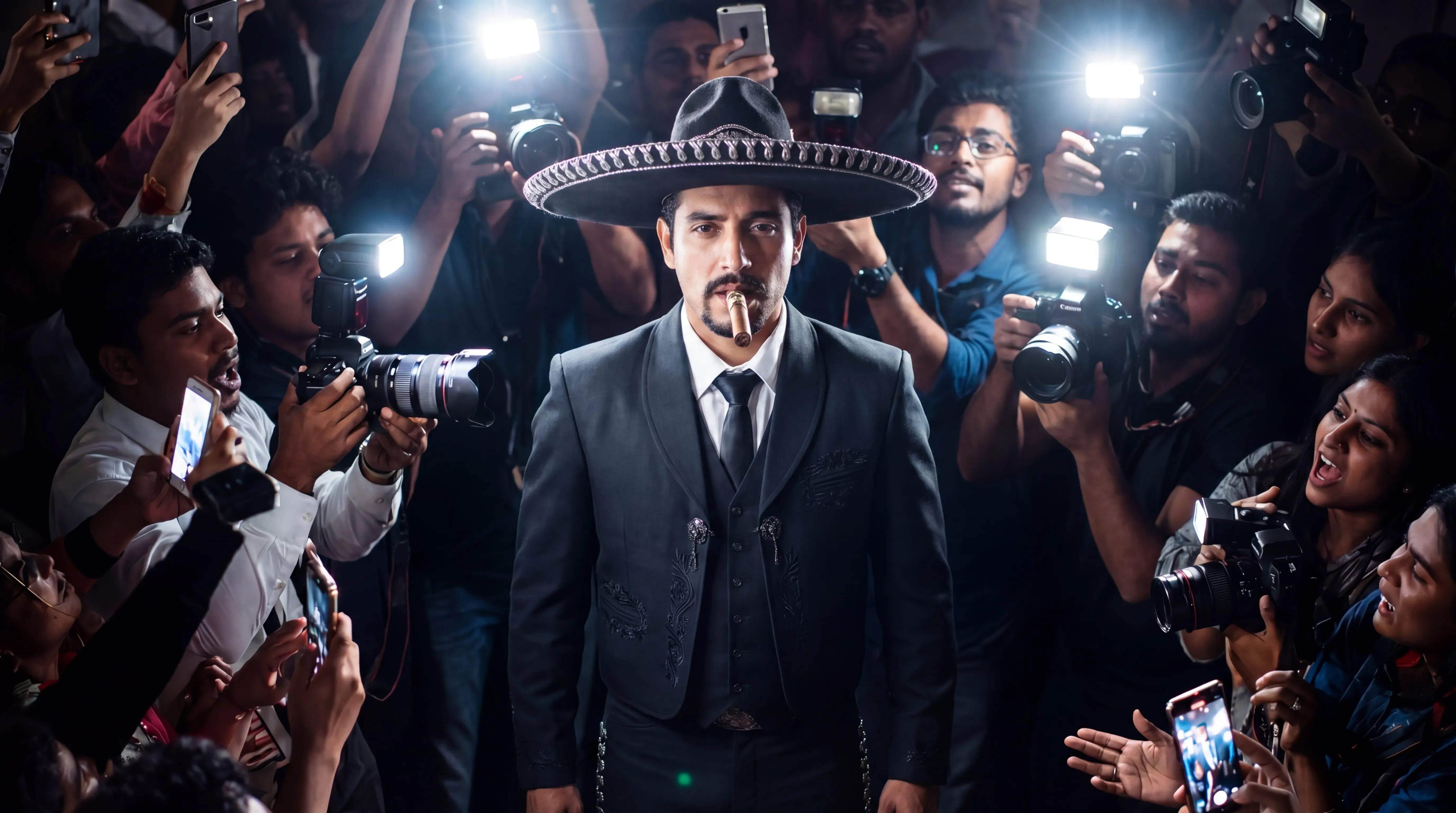
A cigar that is lit correctly will burn evenly, draw smoothly, and taste the way the blender intended from the first inch. A cigar that is lit incorrectly will canoe, run, taste bitter, and require corrections that follow you through the entire smoke. The difference takes about sixty seconds to get right.
Lighting a cigar is not the same as lighting a cigarette. There is no "flick and puff." The process has three steps: selecting the right flame, toasting the foot, and establishing the burn. Each step matters.
Step 1: Choose Your Flame
Not every flame is suitable for lighting a cigar. The heat source affects the flavour of the first draws, and a contaminated flame will introduce chemical off-notes that no amount of purging can fully remove.
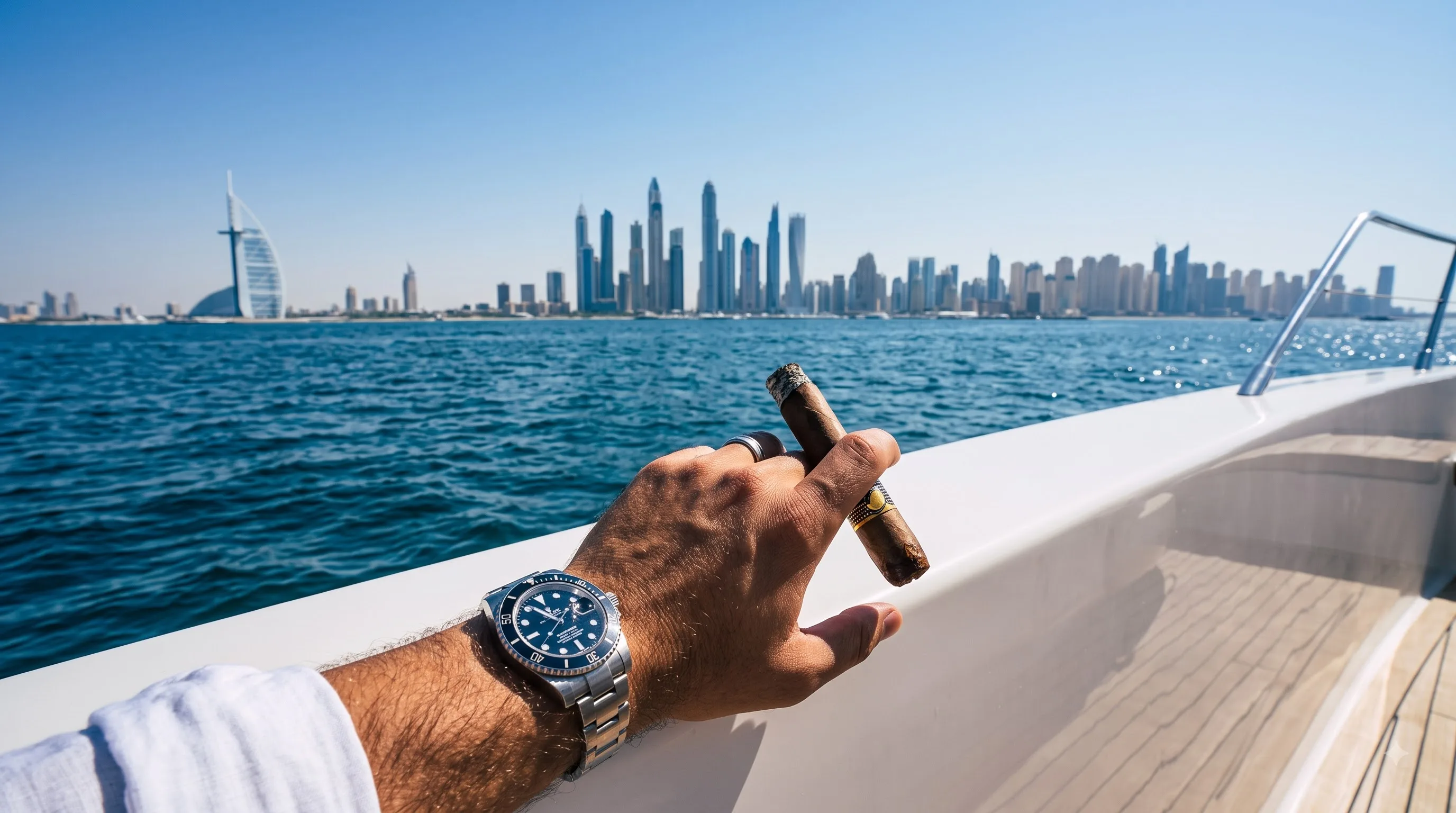
Butane torch lighter. The best option for most smokers. A single or double-flame torch produces a concentrated, odourless, high-temperature flame that lights the foot evenly and does not contaminate the tobacco. Torch lighters also work in wind, which makes them the standard for outdoor smoking, terraces, and yacht decks. Brands like Xikar, Colibri, and S.T. Dupont produce reliable torch lighters at various price points.
Cedar spill. A thin strip of Spanish cedar, lit with a match and held to the foot of the cigar. The cedar adds a faint, complementary aroma to the first draws. Cedar spills are the traditional method and are still preferred by some purists, particularly in formal cigar settings. Many humidors and cigar boxes include cedar sheets that can be torn into strips. The downside is wind: a cedar spill will not stay lit in a breeze.
Long wooden matches. Acceptable, but with a condition: let the sulphur head burn off completely before bringing the match to the cigar. The sulphur in a match tip produces a sharp chemical smell that will transfer to the tobacco if you light too quickly. Hold the match at an angle, let the head flame burn down to the wood, then use the clean wood flame to toast the foot.
What not to use. Petrol lighters (Zippo and similar fluid-fuel lighters) produce a flame that carries lighter fluid vapour. Some smokers insist the vapour does not affect the taste. Most experienced smokers disagree. The odour is detectable on the first two or three draws, particularly with mild cigars where the tobacco flavour is delicate. If a Zippo is all you have, it will work. If you have a choice, use butane.
Candles, gas stove burners, and paper matches are all poor options. Candles deposit soot. Gas burners are impractical. Paper matches burn too quickly and produce excessive sulphur.
Step 2: Toast the Foot
Toasting is the step most people skip, and it is the step that makes the biggest difference.
The foot of the cigar (the open end, opposite the cap you cut) is a cross-section of raw filler, binder, and wrapper. Before you draw any smoke, you want to char this entire surface evenly. An even toast means an even burn line from the start. An uneven toast means one side ignites before the other, which creates a canoe (an uneven burn that runs down one side of the cigar).
How to do it:
Hold the cigar at a 45-degree angle in your non-dominant hand. Bring the flame to within one centimetre of the foot, but do not touch the flame to the tobacco. Direct contact scorches the leaf and produces a bitter, acrid taste on the first draws. The goal is radiant heat, not direct combustion.
Rotate the cigar slowly while holding the flame steady. Watch the foot. You will see the tobacco begin to glow and darken around the edges. Continue rotating until the entire foot is evenly charred: a uniform black ring across the full diameter. This takes 10 to 15 seconds with a torch lighter, slightly longer with a cedar spill.
Do not draw on the cigar during this step. Toasting is a separate action from lighting. You are preparing the surface for ignition, not smoking yet.
Step 3: Light and Establish the Burn
Once the foot is evenly toasted, bring the cigar to your mouth. Hold the flame just below the foot (again, not touching), draw gently, and rotate the cigar slowly as you draw. The combination of airflow from the draw and heat from the flame will ignite the entire foot.
The first draw should produce a moderate amount of smoke. If the smoke is thin or the cigar seems reluctant to light, bring the flame closer and draw slightly harder. If the smoke is thick and hot, the flame was too close or you drew too hard. Ease back.
Take two or three draws while continuing to rotate the cigar near the flame. After three draws, remove the flame and inspect the foot. The entire surface should be glowing evenly with a uniform orange cherry. No dark, unlit patches. No bright spots where one section is burning faster than the rest.
If one side is unlit: Hold the flame to the unlit section and draw gently until it catches. This is a correction, not a failure. Even experienced smokers occasionally need to touch up one side.
Blow gently on the foot after lighting. This serves two purposes: it shows you the burn pattern (the glowing areas are lit, the dark areas are not), and the oxygen from blowing accelerates ignition on any stubborn patches.
Once the entire foot is glowing evenly, set the lighter down. The cigar is lit. Take a slow draw every 45 to 60 seconds from this point forward.
The Three Mistakes
Mistake 1: Touching the flame directly to the tobacco. This is the most common error. Direct flame contact carbonises the outer layer of tobacco, producing a harsh, bitter char taste on the first three or four draws. The correct technique is to hold the flame just below the foot and let radiant heat do the work.
Mistake 2: Drawing while toasting. If you draw on the cigar before the foot is evenly toasted, the airflow will pull the flame to one side, igniting that side first. The result is an uneven burn from the very first draw. Toast first with no draw. Light second with a gentle draw. Two separate steps.
Mistake 3: Rushing. The entire process takes 30 to 45 seconds. Many smokers try to do it in five. They jam the flame into the foot, puff aggressively three times, and start smoking. The cigar burns unevenly for the first inch, tastes bitter, and requires constant relighting. Sixty seconds of patience at the start saves twenty minutes of corrections later.
Relighting a Cigar That Has Gone Out
If your cigar goes out during the smoke, it can be relit. The process is slightly different from the initial light.
Step 1: Gently blow through the cigar (from the lit end toward the foot, like blowing out a candle in reverse) to clear stale smoke from the body. Stale smoke trapped in the cigar will taste acrid and flat when relit.
Step 2: Inspect the foot. If there is a thick layer of grey ash, tap it off gently to expose the unburnt tobacco underneath.
Step 3: Toast and light as before. Hold the flame just below the foot, rotate, and draw gently until the cherry is re-established.
How long can a cigar sit before relighting? If the cigar has been out for less than an hour, it will relight cleanly. If it has been out for several hours, the stale smoke residue will have penetrated deeper into the filler, and the relit cigar will taste noticeably harsher than it did before going out. Anything past two hours is generally not worth relighting. Better to start a fresh cigar.
A cigar that keeps going out is either too tightly rolled (poor construction), too humid (over-humidified), or being smoked too slowly. If you are drawing less frequently than once every 90 seconds, the cigar will struggle to stay lit. Increase your pace slightly and see if it holds.
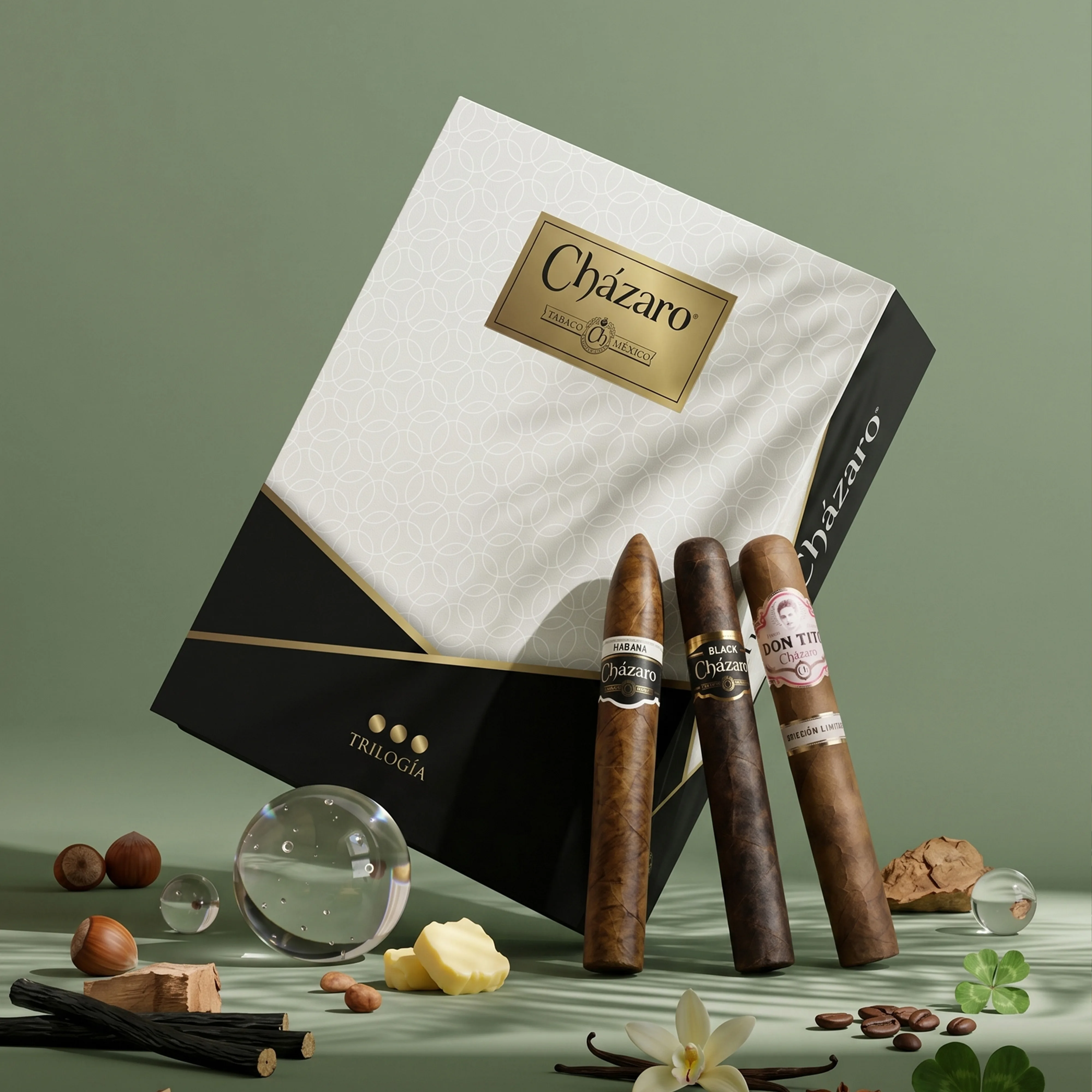
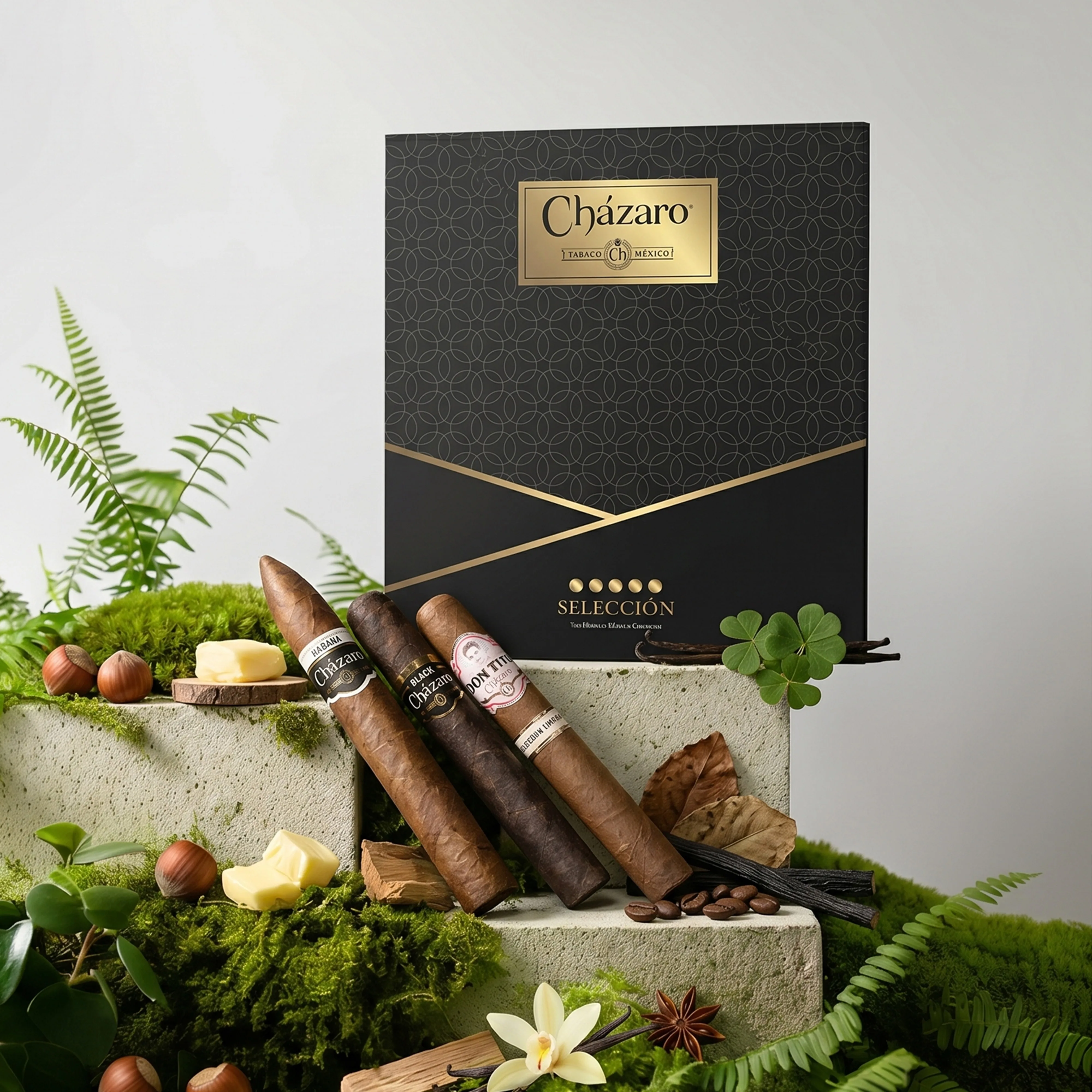
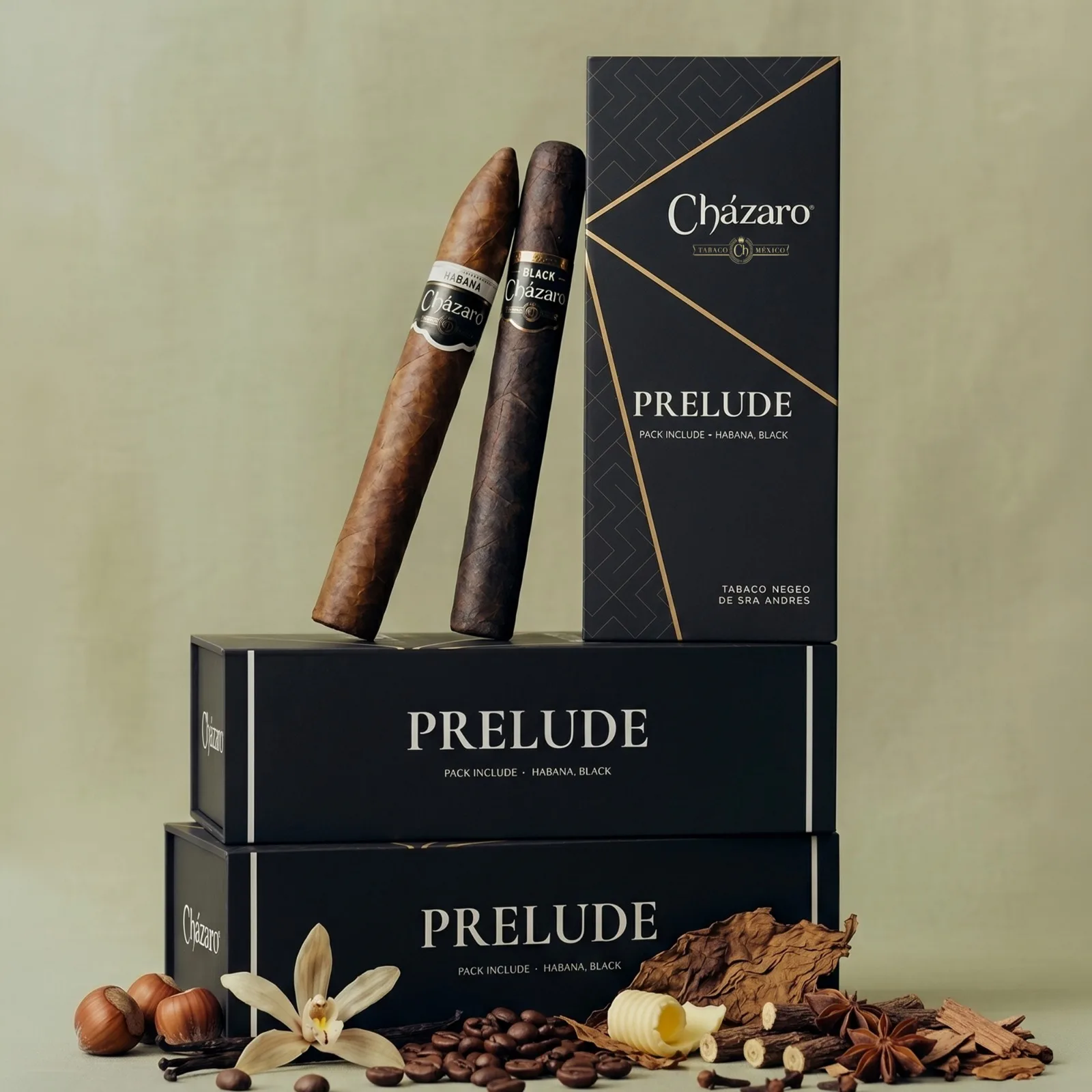
Lighting the Cházaro Range
The San Andrés Negro wrapper on Cházaro cigars is naturally oily, which means it responds well to the toasting method. The oil catches heat evenly, and the wrapper ignites uniformly with less rotation than a dry, matte-finish wrapper requires.
A specific note on the Black Cházaro: the first two draws after a proper toast will carry a pronounced coffee note that fades into vanilla by the third draw. If you rush the light and char the wrapper, you lose that opening note entirely. The sixty-second investment pays off immediately.
The Habana Cházaro, with its Habano-seed wrapper, toasts slightly differently. The wrapper is thinner and more delicate, so keep the flame a few millimetres further from the foot to avoid scorching. The first draws should deliver hazelnut and light cedar, not char.
Frequently Asked Questions
What is the best way to light a cigar? Use a butane torch lighter. Hold the flame just below the foot without touching, rotate the cigar while toasting until the foot is evenly charred, then bring the cigar to your mouth and draw gently while keeping the flame close. The entire process takes 30 to 45 seconds.
Should I use a Zippo to light a cigar? Butane is preferred. Zippo-style lighters use lighter fluid, which can impart a chemical taste to the first draws. If a Zippo is all you have, it will work, but a butane torch or cedar spill produces a cleaner light.
Why does my cigar taste bitter when I first light it? You are probably holding the flame directly against the tobacco or drawing too hard during the light. Both cause charring. Toast the foot first without drawing, then light with a gentle draw. Keep the flame just below the foot, not touching it.
How long should it take to light a cigar? 30 to 45 seconds for the full process (toast + light). Rushing produces an uneven burn and a bitter first inch.
Can I relight a cigar that went out? Yes, if it has been out for less than an hour. Blow through the cigar to clear stale smoke, tap off the ash, and relight using the same toast-and-draw method. Cigars that have been out for more than two hours will taste harsh when relit.
What is toasting a cigar? Toasting is the step before lighting. You hold the flame near the foot of the cigar without drawing, rotating slowly until the entire surface is evenly charred. Toasting ensures a uniform burn from the first draw.
Do I need a special lighter for cigars? A standard butane torch lighter is all you need. Single-flame torches work for most situations. Double-flame torches cover larger ring gauges (54+) more quickly. Avoid petrol lighters, candles, and paper matches.